ZTE Communications ›› 2026, Vol. 24 ›› Issue (3): 48-58.DOI: 10.12142/ZTECOM.202603007
• Technology Frontiers • Previous Articles Next Articles
Zhang Wei1( ), Zhang Chenyong2, Wang Yu2, Ding Jin1, Li Yao2
Received:2024-10-24
Online:2026-08-25
Published:2026-09-20
About author:Zhang Wei (zhw5282411@uestc.edu.cn) received his BS, MS, and PhD degrees in electrical engineering from Southwest Jiaotong University, China and the University of Electronic Science and Technology of China (UESTC), in 2004, 2008, and 2013, respectively. He is currently a professor with UESTC. His research interests mainly include array signal processing, millimeter-wave radar, automotive radar, space-time adaptive processing (STAP), and MIMO radar signal processing.Supported by:Zhang Wei, Zhang Chenyong, Wang Yu, Ding Jin, Li Yao. High Resolution Automotive Radar Imaging Integrating Doppler Division Multiple Access and Frequency Agility[J]. ZTE Communications, 2026, 24(3): 48-58.
Add to citation manager EndNote|Ris|BibTeX
URL: https://zte.magtechjournal.com/EN/10.12142/ZTECOM.202603007
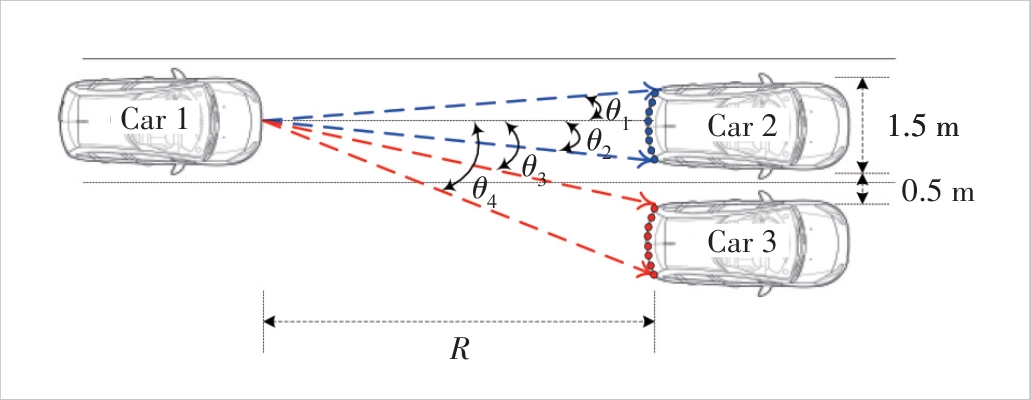
Figure 1 Automotive radar target detection
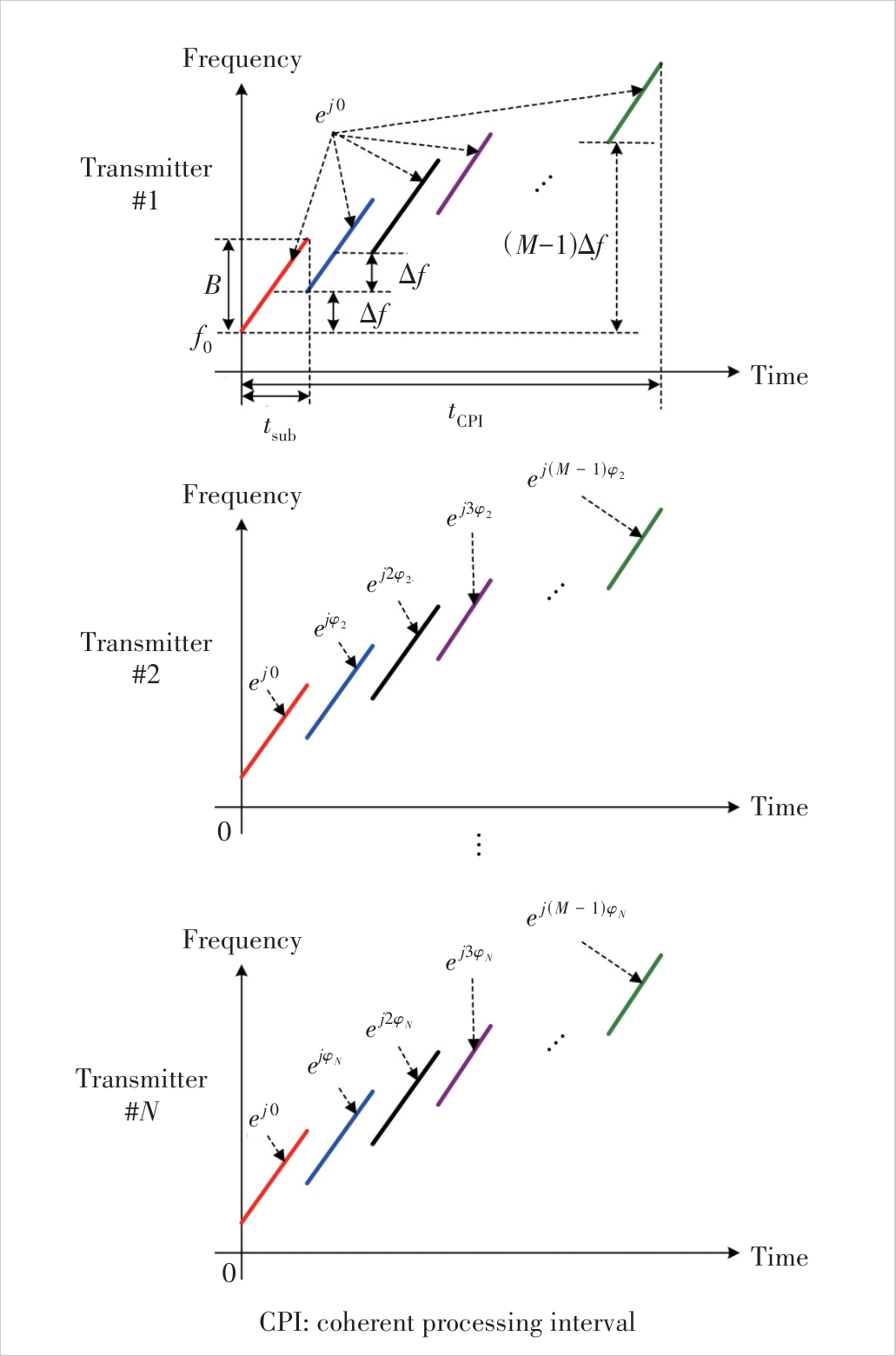
Figure 2 Signal transmission scheme integrating DDMA and FA
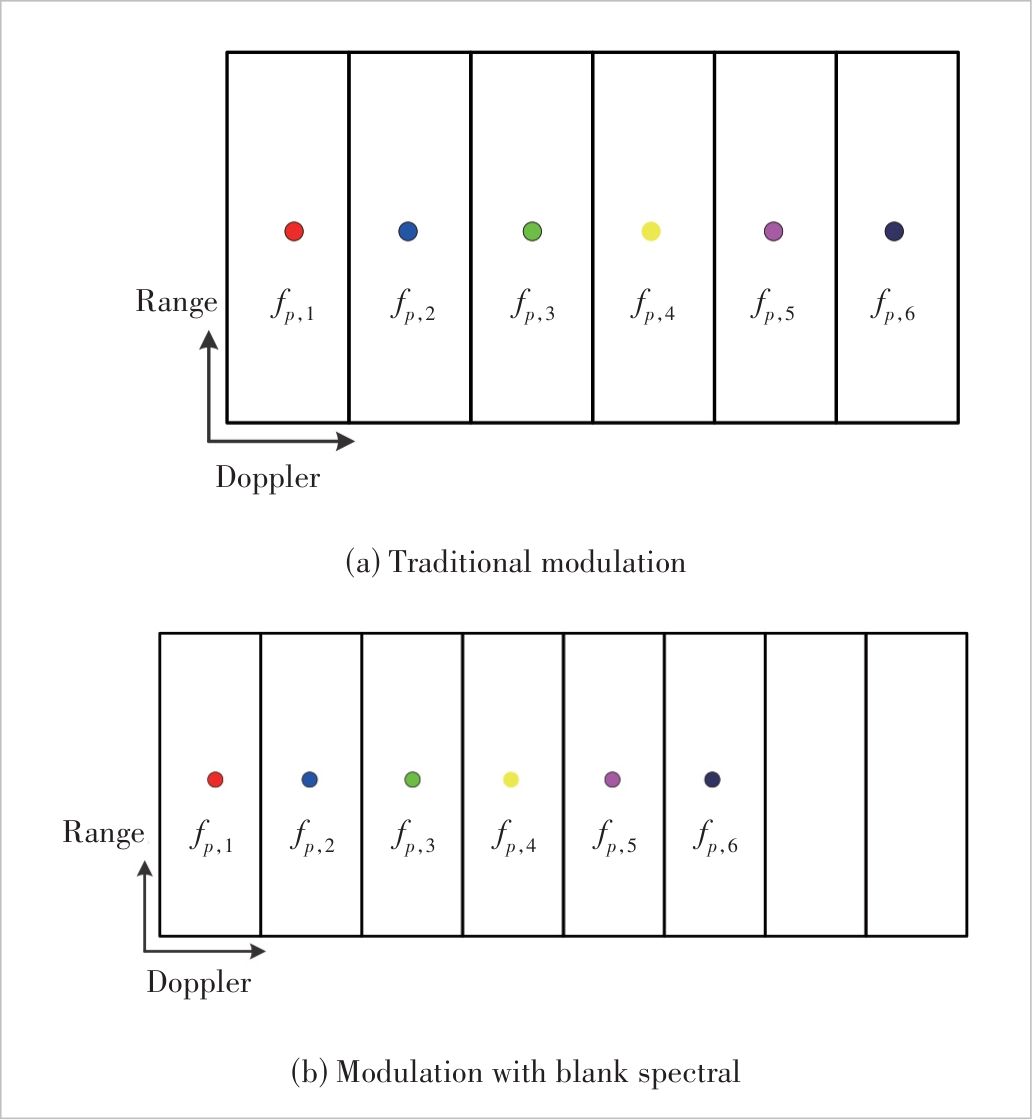
Figure 3 Range-Doppler matrix of a slow-moving target withthe traditional DDMA modulation (N=6)
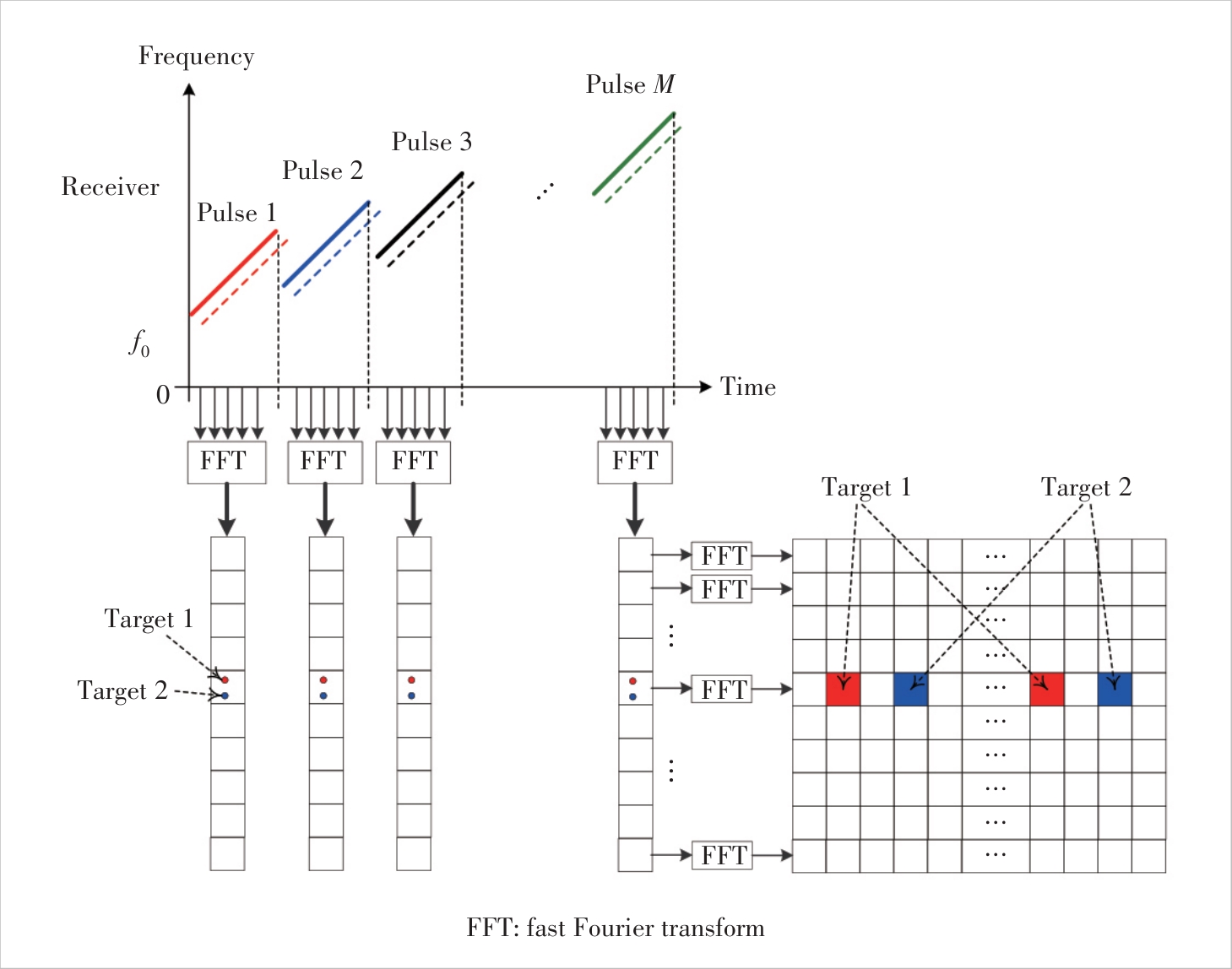
Figure 4 Diagram of signal processing
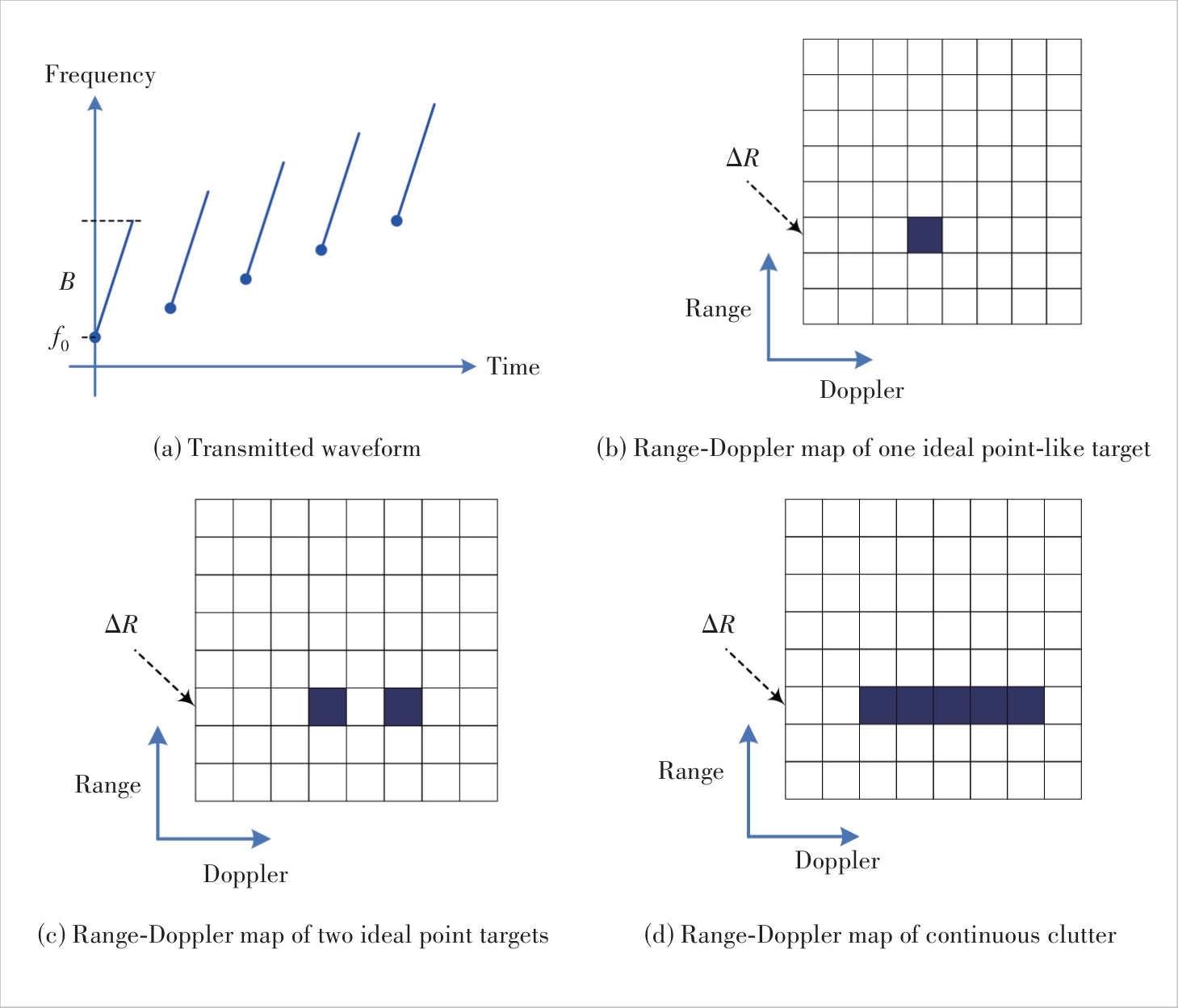
Figure 5 Range-Doppler spectra of typical scenarios for FA FMCW signals
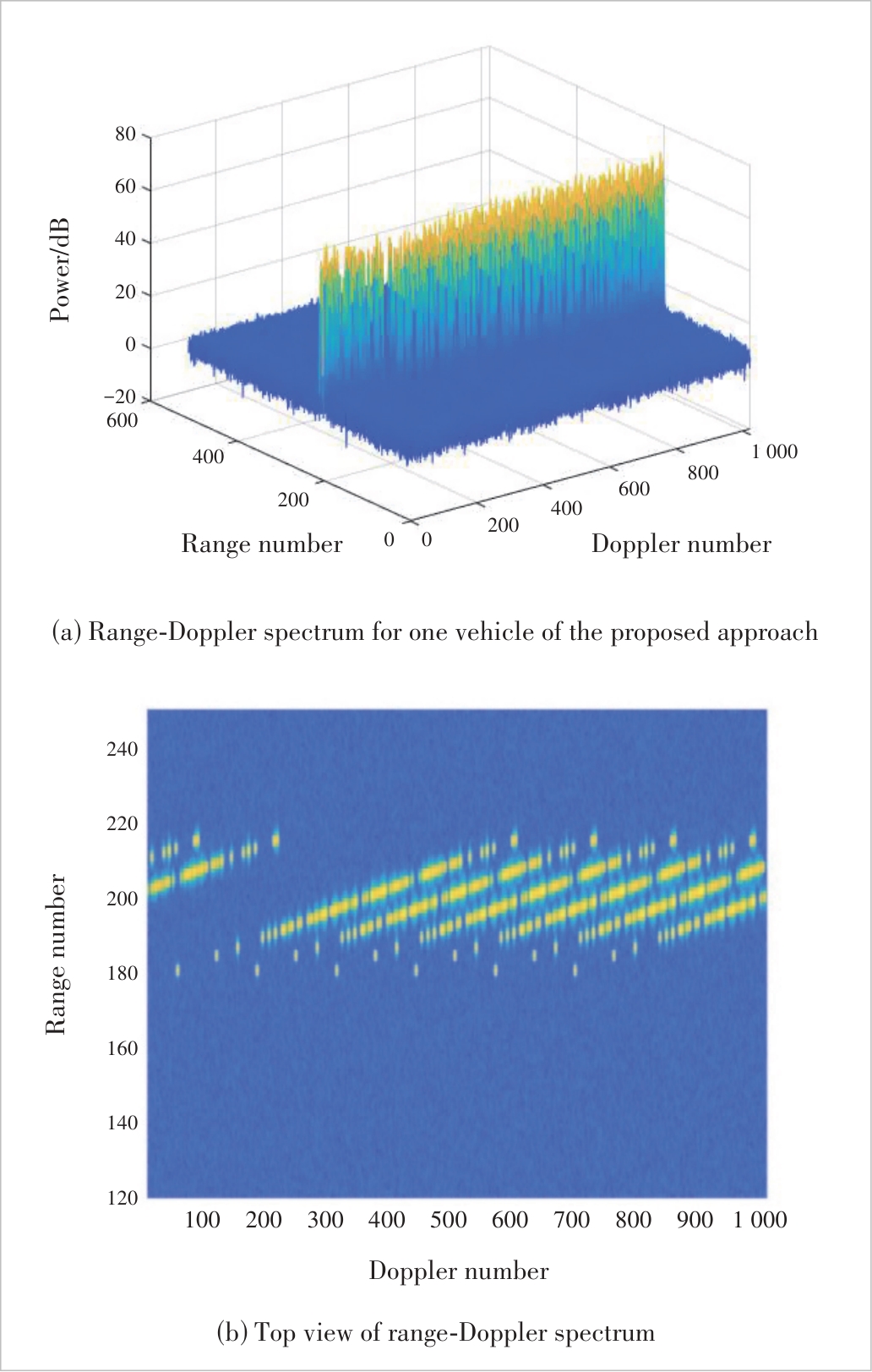
Figure 6 Range-Doppler spectrum and top-view imaging ofthe proposed MIMO radar approach

Figure 7 Comparison of target imaging performance betweentraditional method and DDMA-FA-MIMO approach
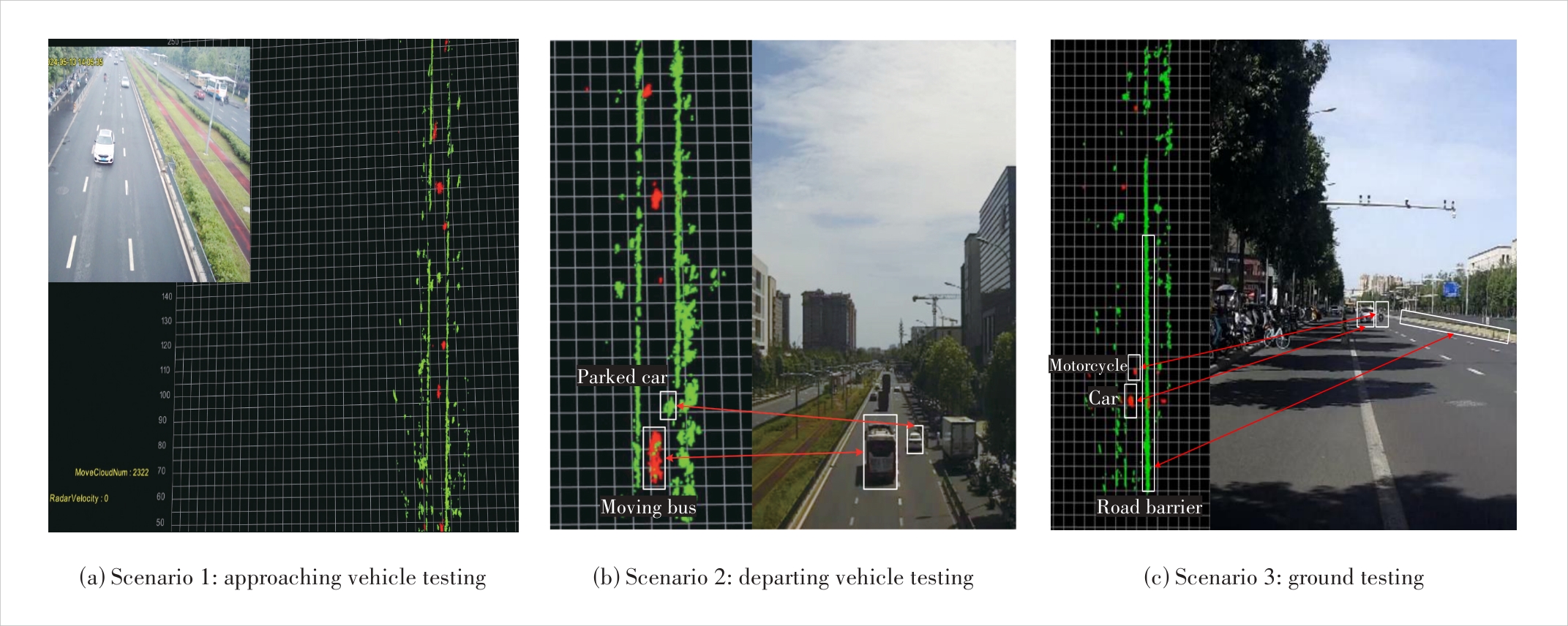
Figure 8 Field test results of practical radar system
| [1] | Patole S M, Torlak M, Wang D, et al. Automotive radars: a review of signal processing techniques [J]. IEEE signal processing magazine, 2017, 34(2): 22–35. DOI: 10.1109/msp.2016.2628914 |
| [2] | Hakobyan G, Yang B. High-performance automotive radar: a review of signal processing algorithms and modulation schemes [J]. IEEE signal processing magazine, 2019, 36(5): 32–44. DOI: 10.1109/msp.2019.2911722 |
| [3] | Engels F, Heidenreich P, Wintermantel M, et al. Automotive radar signal processing: research directions and practical challenges [J]. IEEE journal of selected topics in signal processing, 2021, 15(4): 865–878. DOI: 10.1109/jstsp.2021.3063666 |
| [4] | An analysis of Tesla’s readoption of millimeter-wave radar [EB/OL]. (2022-06-27) [2024-10-20]. |
| [5] | Ge S G, Li K, Rum S N B M. Deep learning approach in DOA estimation: a systematic literature review [J]. Mobile information systems, 2021: 6392875. DOI: 10.1155/2021/6392875 |
| [6] | Bechter J, Roos F, Waldschmidt C. Compensation of motion-induced phase errors in TDM MIMO radars [J]. IEEE microwave and wireless components letters, 2017, 27(12): 1164–1166. DOI: 10.1109/lmwc.2017.2751301 |
| [7] | Sammartino P F, Baker C J, Griffiths H D. Frequency diverse MIMO techniques for radar [J]. IEEE transactions on aerospace and electronic systems, 2013, 49(1): 201–222. DOI: 10.1109/taes.2013.6404099 |
| [8] | Pfeffer C, Feger R, Wagner C, et al. FMCW MIMO radar system for frequency-division multiple TX-beamforming [J]. IEEE transactions on microwave theory and techniques, 2013, 61(12): 4262–4274. DOI: 10.1109/tmtt.2013.2287675 |
| [9] | instruments Texas. 76-GHz to 81-GHz automotive second-generation high-performance MMIC [EB/OL]. [2024-10-20]. |
| [10] | NXP. NXP semiconductors [EB/OL]. [2024-02-14]. |
| [11] | Automotive Continental. Continental earns three CES 2021 Innovation Honoree Awards [EB/OL]. [2024-10-20]. |
| [12] | Iqbal H, Sajjad M B, Mueller M, et al. SAR imaging in an automotive scenario [C]//The 15th Mediterranean Microwave Symposium (MMS). IEEE, 2015: 1–4. DOI: 10.1109/mms.2015.7375430 |
| [13] | Zhang W, Wang P, He N Y, et al. Super resolution DOA based on relative motion for FMCW automotive radar [J]. IEEE transactions on vehicular technology, 2020, 69(8): 8698–8709. DOI: 10.1109/tvt.2020.2999640 |
| [14] | Gao X Y, Roy S, Xing G B. MIMO-SAR: a hierarchical high-resolution imaging algorithm for mmWave FMCW radar in autonomous driving [J]. IEEE transactions on vehicular technology, 2021, 70(8): 7322–7334. DOI: 10.1109/tvt.2021.3092355 |
| [15] | Schmidt R. Multiple emitter location and signal parameter estimation [J]. IEEE transactions on antennas and propagation, 1986, 34(3): 276–280. DOI: 10.1109/tap.1986.1143830 |
| [16] | Roy R, Kailath T. ESPRIT-estimation of signal parameters via rotational invariance techniques [J]. IEEE transactions on acoustics, speech, and signal processing, 1989, 37(7): 984–995. DOI: 10.1109/29.32276 |
| [17] | Stoica P, Wang Z S, Li J. Extended derivations of MUSIC in the presence of steering vector errors [J]. IEEE transactions on signal processing, 2005, 53(3): 1209–1211. DOI: 10.1109/tsp.2004.842201 |
| [18] | Li J. Improving ESPRIT via beamforming [J]. IEEE transactions on aerospace and electronic systems, 1992, 28(2): 520–528. DOI: 10.1109/7.144577 |
| [19] | Bresler Y, Macovski A. Exact maximum likelihood estimation of superimposed exponential signals in noise [C]//International Conference on Acoustics, Speech, and Signal Processing. Tampa: IEEE, 1985: 1824–1827. DOI: 10.1109/ICASSP.1985.1168514 |
| [20] | Yardibi T, Li J, Stoica P, et al. Source localization and sensing: a nonparametric iterative adaptive approach based on weighted least squares [J]. IEEE transactions on aerospace and electronic systems, 2010, 46(1): 425–443. DOI: 10.1109/taes.2010.5417172 |
| [21] | Rebollo-Neira L, Lowe D. Optimized orthogonal matching pursuit approach [J]. IEEE signal processing letters, 2002, 9(4): 137–140. DOI: 10.1109/lsp.2002.1001652 |
| [22] | Aguilera E, Nannini M, Reigber A. Wavelet-based compressed sensing for SAR tomography of forested areas [J]. IEEE transactions on geoscience and remote sensing, 2013, 51(12): 5283–5295. DOI: 10.1109/tgrs.2012.2231081 |
| [23] | Xu G, Pei H, Jiang M J, et al. High-resolution mmWave SAR imagery for automotive parking assistance [J]. IEEE journal on miniaturization for air and space systems, 2023, 4(1): 54–61. DOI: 10.1109/jmass.2022.3226771 |
| [24] | Malioutov D, Cetin M, Willsky A S. A sparse signal reconstruction perspective for source localization with sensor arrays [J]. IEEE transactions on signal processing, 2005, 53(8): 3010–3022. DOI: 10.1109/tsp.2005.850882 |
| [25] | Fuchs J, Weigel R, Gardill M. Single-snapshot direction-of-arrival estimation of multiple targets using a multi-layer perceptron [C]//International Conference on Microwaves for Intelligent Mobility (ICMIM). IEEE, 2019: 1–4. DOI: 10.1109/icmim.2019.8726554 |
| [26] | Buddendick H, Eibert T F. Incoherent scattering-center representations and parameterizations for automobiles [EM Programmer’s Notebook] [J]. IEEE antennas and propagation magazine, 2012, 54(1): 140–148. DOI: 10.1109/map.2012.6202527 |
| [27] | Roldan I, Fioranelli F, Yarovoy A. Total variation compressive sensing for 3D shape estimation in short-range imaging radars [J]. IEEE transactions on radar systems, 2023, 1: 583–592. DOI: 10.1109/trs.2023.3322630 |
| [28] | Garvin A D M. Range, resolution and imaging applications of a stepped-frequency continuous wave radar [J]. Transactions of the South African institute of electrical engineers, 1991, 82(3): 206–216 |
| [29] | Huang P H, Dong S S, Liu X Z, et al. A coherent integration method for moving target detection using frequency agile radar [J]. IEEE geoscience and remote sensing letters, 2019, 16(2): 206–210. DOI: 10.1109/lgrs.2018.2870869 |
| [30] | Huang T Y, Liu Y M, Ma D Y, et al. Multi-carrier agile phased array radar [C]//International Conference on Signal, Information and Data Processing (ICSIDP). IEEE, 2019: 1–6. DOI: 10.1109/icsidp47821.2019.9173350 |
| [31] | Winkler V. Novel waveform generation principle for short-range FMCW-radars [C]//German Microwave Conference. IEEE, 2009: 1–4. DOI: 10.1109/gemic.2009.4815876 |
| [32] | Xu F, Vorobyov S A, Yang F W. Transmit beamspace DDMA based automotive MIMO radar [J]. IEEE transactions on vehicular technology, 2022, 71(2): 1669–1684. DOI: 10.1109/tvt.2021.3132886 |
| [33] | Bialer O, Jonas A, Tirer T. Code optimization for fast chirp FMCW automotive MIMO radar [J]. IEEE transactions on vehicular technology, 2021, 70(8): 7582–7593. DOI: 10.1109/tvt.2021.3095956 |
| [34] | Jiang M J, Xu G, Pei H, et al. 4D high-resolution imagery of point clouds for automotive mmWave radar [J]. IEEE transactions on intelligent transportation systems, 2024, 25(1): 998–1012. DOI: 10.1109/tits.2023.3258688 |
| [35] | Zhang W, Li H Y, Sun G H, et al. Enhanced detection of Doppler-spread targets for FMCW radar [J]. IEEE transactions on aerospace and electronic systems, 2019, 55(4): 2066–2078. DOI: 10.1109/taes.2019.2925433 |
| [36] | Rohling H. Radar CFAR thresholding in clutter and multiple target situations [J]. IEEE transactions on aerospace and electronic systems, 1983, 19(4): 608–621. DOI: 10.1109/taes.1983.309350 |
| No related articles found! |
| Viewed | ||||||
|
Full text |
|
|||||
|
Abstract |
|
|||||