ZTE Communications ›› 2025, Vol. 23 ›› Issue (3): 59-70.DOI: 10.12142/ZTECOM.202503007
• Review • Previous Articles Next Articles
XU Hang1( ), SUN Bin1, DING Jianwen1, WANG Wei2
Received:2024-01-26
Online:2025-09-25
Published:2025-09-11
About author:XU Hang (22125067@bjtu.edu.cn) received his BE degree in communication engineering from China University of Petroleum in 2022. He is currently working toward a master's degree at the State Key Laboratory of Rail Traffic Control and Safety, Beijing Jiaotong University, China. His research interests include network security and 5G-R.Supported by:XU Hang, SUN Bin, DING Jianwen, WANG Wei. Analysis of Feasible Solutions for Railway 5G Network Security Assessment[J]. ZTE Communications, 2025, 23(3): 59-70.
Add to citation manager EndNote|Ris|BibTeX
URL: https://zte.magtechjournal.com/EN/10.12142/ZTECOM.202503007
| Aspect | 5G‑R Network | Railway 5G PNI‑NPN |
|---|---|---|
Construction department | Railway Department | Operators |
Carried services | Critical services such as operational safety, running, and service tasks | Non-critical services like passenger communication services and general data transmission |
Network frequency band | Independent frequency band for railways | Shared operator frequency bands |
Network architecture | Closed, independent network architecture specific to railways | Public 5G network architecture |
Performance requirements | High reliability, low latency, high speed, and high security | General performance requirements |
Table 1 Differences between 5G-R network and railway 5G PNI-NPN
| Aspect | 5G‑R Network | Railway 5G PNI‑NPN |
|---|---|---|
Construction department | Railway Department | Operators |
Carried services | Critical services such as operational safety, running, and service tasks | Non-critical services like passenger communication services and general data transmission |
Network frequency band | Independent frequency band for railways | Shared operator frequency bands |
Network architecture | Closed, independent network architecture specific to railways | Public 5G network architecture |
Performance requirements | High reliability, low latency, high speed, and high security | General performance requirements |
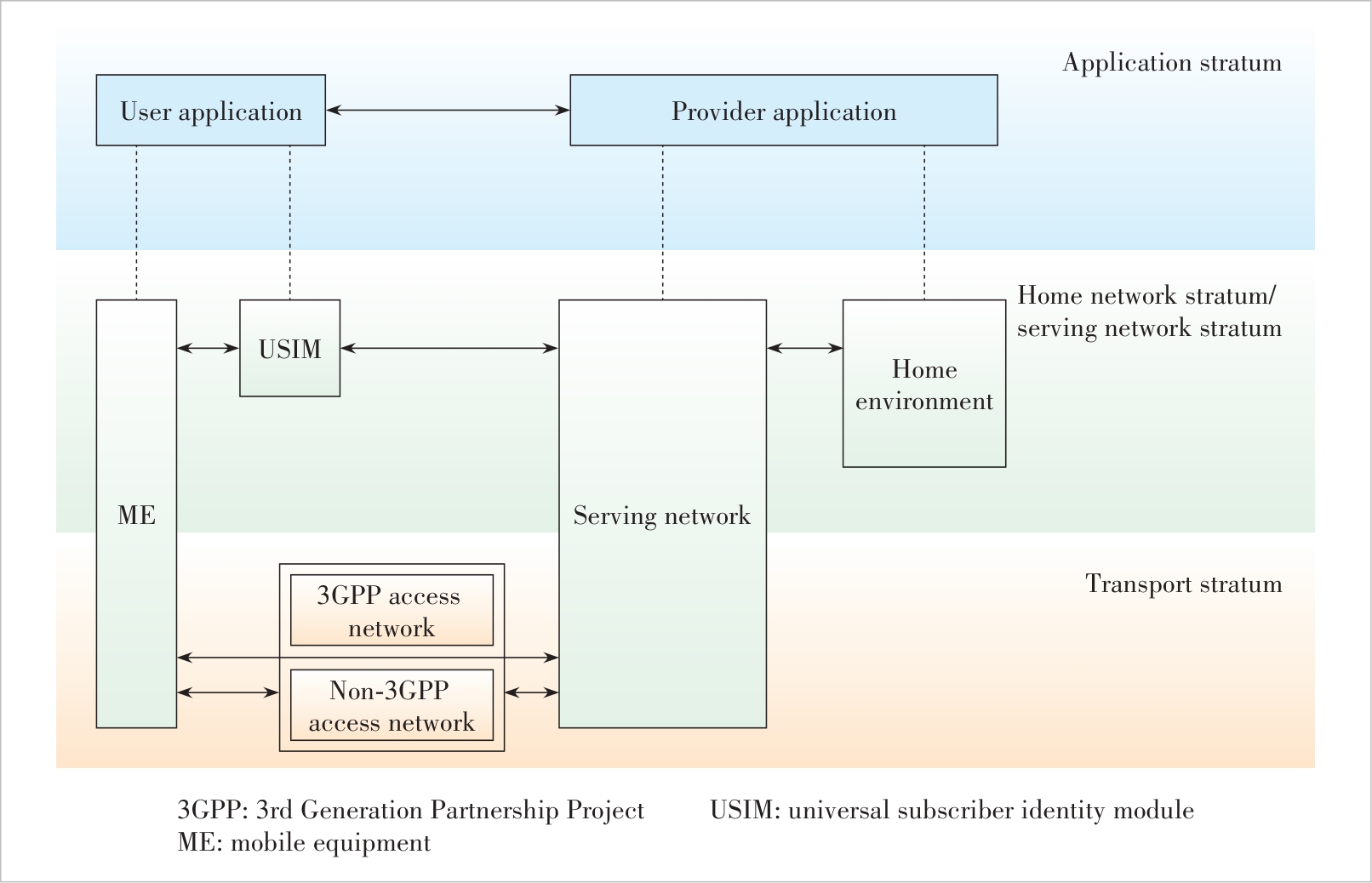
Figure 1 Security architecture for the Fifth Generation of Mobile Communications for Railways (5G-R) network
| Security Aspects | 5G‑R Network | Railway 5G PNI‑NPN |
|---|---|---|
| Privacy protection | Industry-tailored privacy protection | Customer data privacy enforcement |
| Network isolation | Granular network segmentation | Service-level isolation enforcement |
| Security auditing | Strict audit and monitoring protocols | Comprehensive periodic audits |
| Reliability | Railway-operation-specific reliability | High-availability service maintenance |
| Attack protection | Industry-specific threat mitigation | Specific railway attack prevention |
| Data encryption | Mandatory strong encryption standards | End-to-end data encryption implementation |
| Updates & patches | Frequent security patch deployment | Timely critical update application |
Table 2 Security requirements of 5G-R network and railway 5G PNI-NPN
| Security Aspects | 5G‑R Network | Railway 5G PNI‑NPN |
|---|---|---|
| Privacy protection | Industry-tailored privacy protection | Customer data privacy enforcement |
| Network isolation | Granular network segmentation | Service-level isolation enforcement |
| Security auditing | Strict audit and monitoring protocols | Comprehensive periodic audits |
| Reliability | Railway-operation-specific reliability | High-availability service maintenance |
| Attack protection | Industry-specific threat mitigation | Specific railway attack prevention |
| Data encryption | Mandatory strong encryption standards | End-to-end data encryption implementation |
| Updates & patches | Frequent security patch deployment | Timely critical update application |
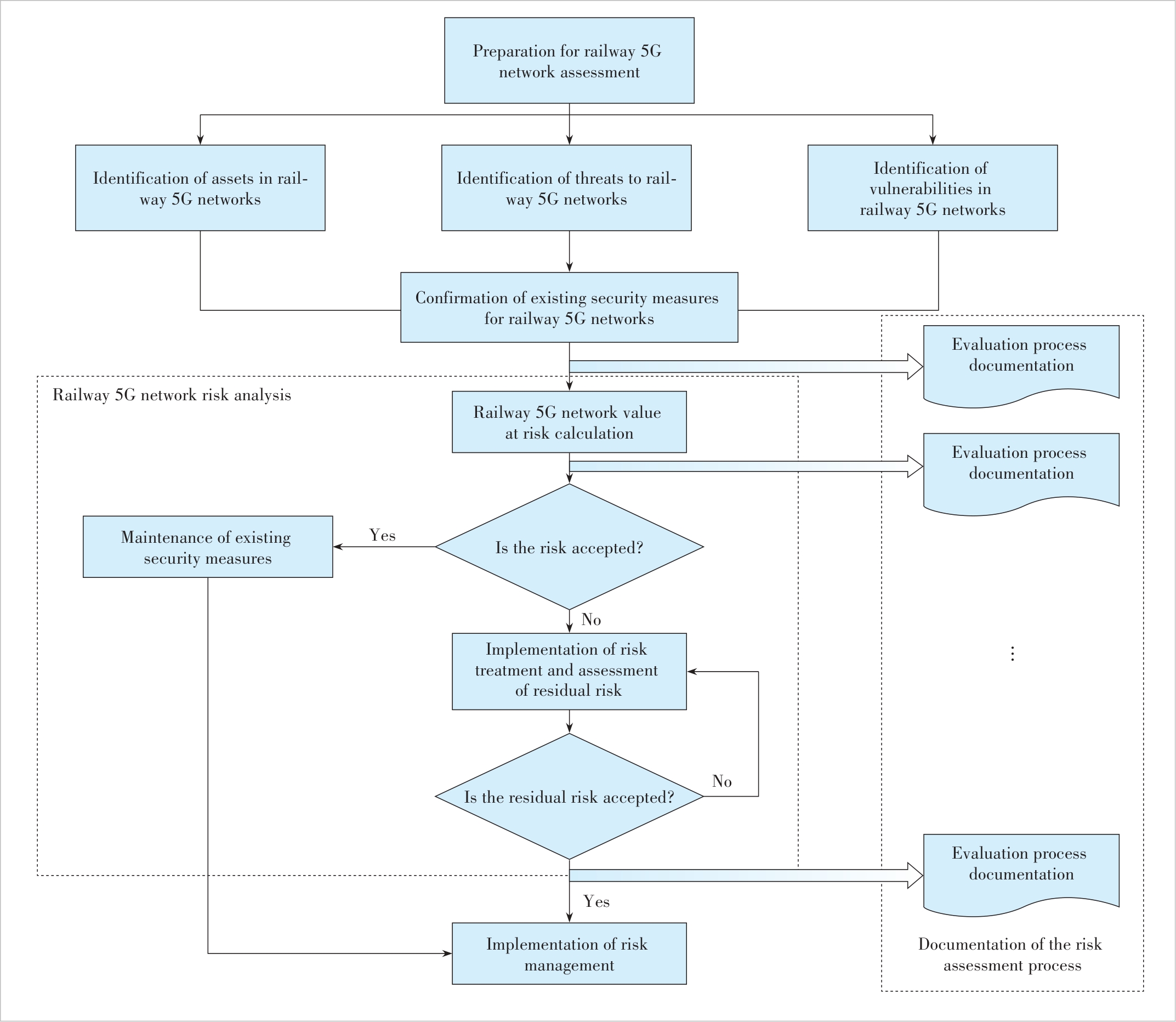
Figure 2 Railway 5G cybersecurity risk assessment flowchart
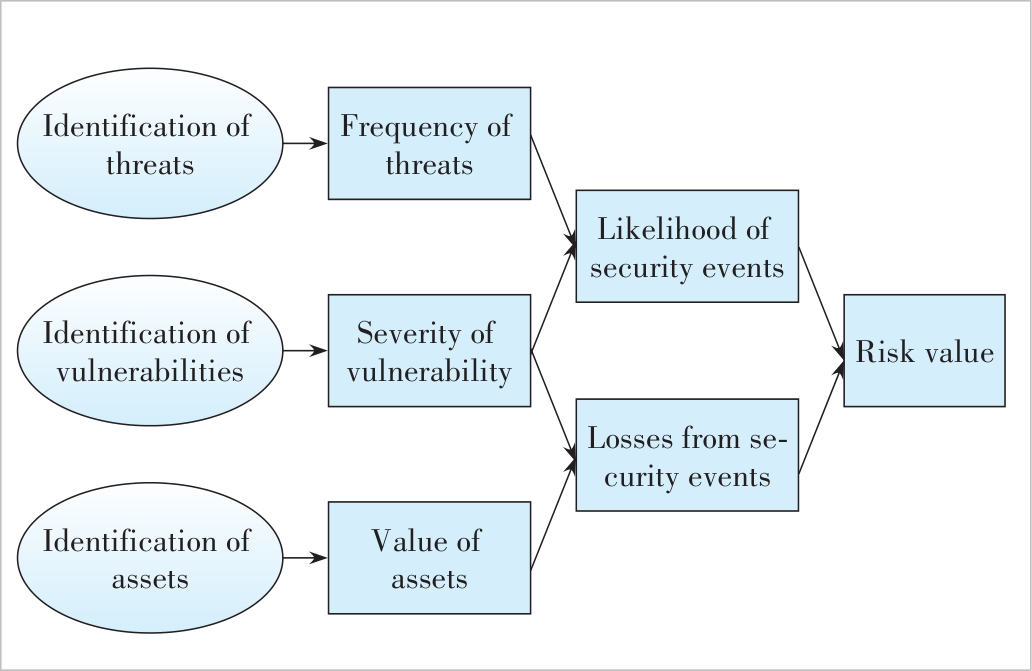
Figure 3 Analysis process of railway 5G network risks
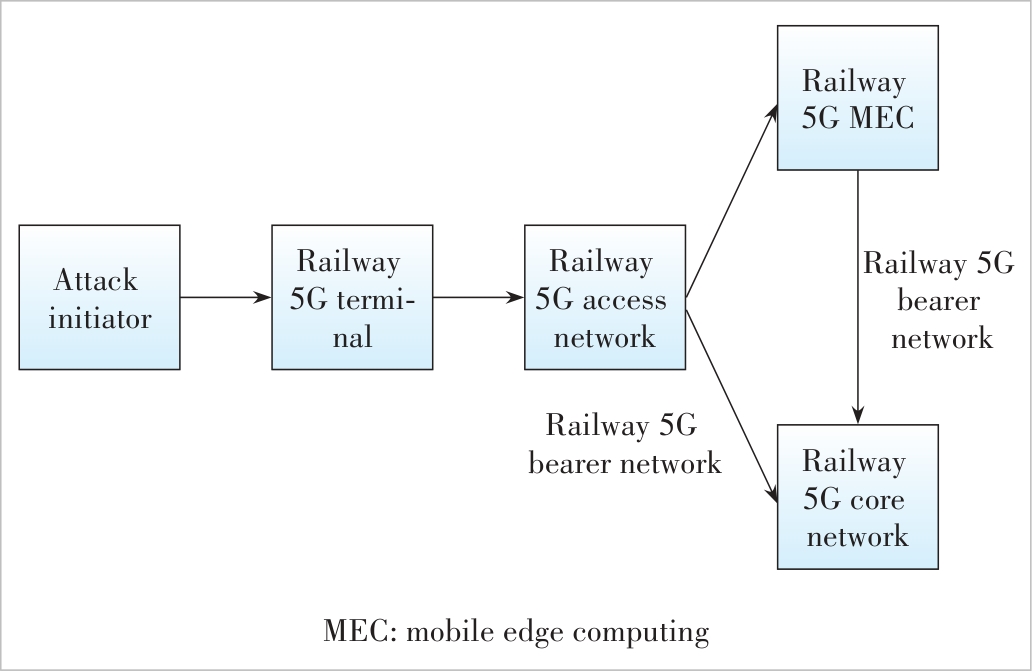
Figure 4 Penetration testing flowchart for railway 5G networks
| Aspect | 5G‑R network | Railway 5G PNI‑NPN |
|---|---|---|
| Focus of evaluation | Internal network structure, terminal equipment vulnerabilities, and internal threat prevention | External boundary defence, external connection protection, and boundary security |
| Assets and devices | Critical railway communication equipment and internal network critical components | Railway-specific equipment and public network critical components |
| Security measures | Internal network isolation, access control, and internal encryption | Firewall, intrusion detection, and external encryption |
| Vulnerability identification | Internal vulnerability scanning, risk assessment, and internal penetration testing | External defence strategy assessment and simulated attack testing |
| Network interconnectivity | Internal communication security, private network isolation, and internal data transmission protection | External connection security, data transmission encryption, and external communication reinforcement |
| Threat focus | Internal threats and leakage risks, internal access control, and internal permissions management | External attacks and threat prevention; integrity protection of external communication data |
| Testing focus | Terminal equipment vulnerabilities, core network vulnerabilities, and access network weaknesses | Effectiveness of external defence strategy, network boundary stability, and external security vulnerabilities |
Table 3 Railway 5G network security assessment method differences
| Aspect | 5G‑R network | Railway 5G PNI‑NPN |
|---|---|---|
| Focus of evaluation | Internal network structure, terminal equipment vulnerabilities, and internal threat prevention | External boundary defence, external connection protection, and boundary security |
| Assets and devices | Critical railway communication equipment and internal network critical components | Railway-specific equipment and public network critical components |
| Security measures | Internal network isolation, access control, and internal encryption | Firewall, intrusion detection, and external encryption |
| Vulnerability identification | Internal vulnerability scanning, risk assessment, and internal penetration testing | External defence strategy assessment and simulated attack testing |
| Network interconnectivity | Internal communication security, private network isolation, and internal data transmission protection | External connection security, data transmission encryption, and external communication reinforcement |
| Threat focus | Internal threats and leakage risks, internal access control, and internal permissions management | External attacks and threat prevention; integrity protection of external communication data |
| Testing focus | Terminal equipment vulnerabilities, core network vulnerabilities, and access network weaknesses | Effectiveness of external defence strategy, network boundary stability, and external security vulnerabilities |
| [1] | ZHONG Z D, GUAN K, CHEN W, et al. Challenges and perspective of new generation of railway mobile communications [J]. ZTE technology journal, 2021, 27(4): 44–50. DOI: 10.12142/ZTETJ.202104009 |
| [2] | China National Railway Group. General technical requirements for railway 5G private mobile communication (5G-R) system (preliminary): TJ/DW 246-2022 [S]. China National Railway Group, 2022 |
| [3] | 3GPP. Security architecture and procedures for 5G system release 15 (V15.3.1): 3GPP TS 33.501 [S]. 3rd Generation Partnership Project, 2018 |
| [4] | GUO Y M, ZHANG Y. Study on core network security enhancement strategies in 5G private networks [C]//Proc. IEEE 21st International Conference on Communication Technology (ICCT). IEEE, 2021: 887–891. DOI: 10.1109/icct52962.2021.9657934 |
| [5] | LI P Y, LIU J W. Security architecture and key technologies for super SIM-based 5G End-Cloud System [J]. ZTE technology journal, 2023, 27(1): 13–19. DOI:10.12142/ZTETJ.202301004 |
| [6] | SURESHSAH R T, BALASUBRAMANIAM M, DAS D. Novel 5G and B5G network architecture and protocol for multi SIM devices [C]//Proc. IEEE International Conference on Electronics, Computing and Communication Technologies (CONECCT). IEEE, 2021: 1–6. DOI: 10.1109/conecct52877.2021.9622360 |
| [7] | ZHANG X Q, HE Y M. Information security management based on risk assessment and analysis [C]//Proc. 7th International Conference on Information Science and Control Engineering (ICISCE). IEEE, 2020: 749–752. DOI: 10.1109/ICISCE50968.2020.00159 |
| [8] | ALIMZHANOVA Z, TLEUBERGEN A, ZHUNUSBAYEVA S, et al. Comparative analysis of risk assessment during an enterprise information security audit [C]//Proc. International Conference on Smart Information Systems and Technologies (SIST). IEEE, 2022: 1–6. DOI: 10.1109/SIST54437.2022.9945804 |
| [9] | WEI L, ZHA X, DAI F F. Network security interoperability towards cloud-network convergence [J]. ZTE technology journal, 2023, 27(1):7–12. DOI:10.12142/ZTETJ.202301003 |
| [10] | SZARVÁK A, PÓSER V. Review the progress of threat and risk assessment on 5G network [C]//Proc. IEEE 20th Jubilee World Symposium on Applied Machine Intelligence and Informatics (SAMI). IEEE, 2022: 353–358. DOI: 10.1109/SAMI54271.2022.9780829 |
| [11] | KANG H Y, XIAO Y H, YIN J. An intelligent detection method of personal privacy disclosure for social networks [J]. Security and communication networks, 2021: 5518220. DOI: 10.1155/2021/5518220 |
| [12] | PATEL K. A survey on vulnerability assessment & penetration testing for secure communication [C]//Proc. 3rd International Conference on Trends in Electronics and Informatics (ICOEI). IEEE, 2019: 320–325. DOI: 10.1109/icoei.2019.8862767 |
| [13] | XIE X Q, YU X G, YU Y X, et al. Penetration test framework and method of 5G cyber security [J]. Journal of information security research, 2021, 7(9): 795–801 |
| [14] | SARIKONDA M, SHANMUGASUNDARAM R. Validation of firmware security using fuzzing and penetration methodologies [C]//Proc. IEEE North Karnataka Subsection Flagship International Conference (NKCon). IEEE, 2022: 1–5. DOI: 10.1109/NKCon56289.2022.10126524 |
| [15] | SHARMA D, KHAN O, MANCHANDA N. Detection of ARP spoofing: a command line execution method [C]//Proc. International Conference on Computing for Sustainable Global Development (INDIACom). IEEE, 2014: 861–864. DOI: 10.1109/IndiaCom.2014.6828085 |
| [16] | YU X G, LI Y H, QIU Q. 5G security: a cybersecurity treasure trove for the age of digital intelligence (in Chinese) [M]. Beijing: Publishing House of Electronics Industry, 2023 |
| [1] | DING Jianwen, LIU Yao, LIAO Hongjian, SUN Bin, WANG Wei. Statistical Model of Path Loss for Railway 5G Marshalling Yard Scenario [J]. ZTE Communications, 2023, 21(3): 117-122. |
| Viewed | ||||||
|
Full text |
|
|||||
|
Abstract |
|
|||||