ZTE Communications ›› 2026, Vol. 24 ›› Issue (1): 81-87.DOI: 10.12142/ZTECOM.202601011
• Special Topic • Previous Articles Next Articles
Zheng Wangguandong1, Lu Ping2, Deng Fangwei2, Huang Shijun2, Xia Siyu1( )
)
Received:2024-09-27
Online:2026-03-17
Published:2026-03-17
About author:Zheng Wangguandong is pursuing his master’s degree at the School of Automation, Southeast University, China. His research interests focus on artificial intelligence and computer vision, with a specific specialization in image and video generation. He has published four CCF-A conference papers and possesses extensive research experience in image segmentation and object detection.Supported by:Zheng Wangguandong, Lu Ping, Deng Fangwei, Huang Shijun, Xia Siyu. Steel Surface Anomaly Detection Using 3D Depth and 2D RGB Features[J]. ZTE Communications, 2026, 24(1): 81-87.
Add to citation manager EndNote|Ris|BibTeX
URL: https://zte.magtechjournal.com/EN/10.12142/ZTECOM.202601011
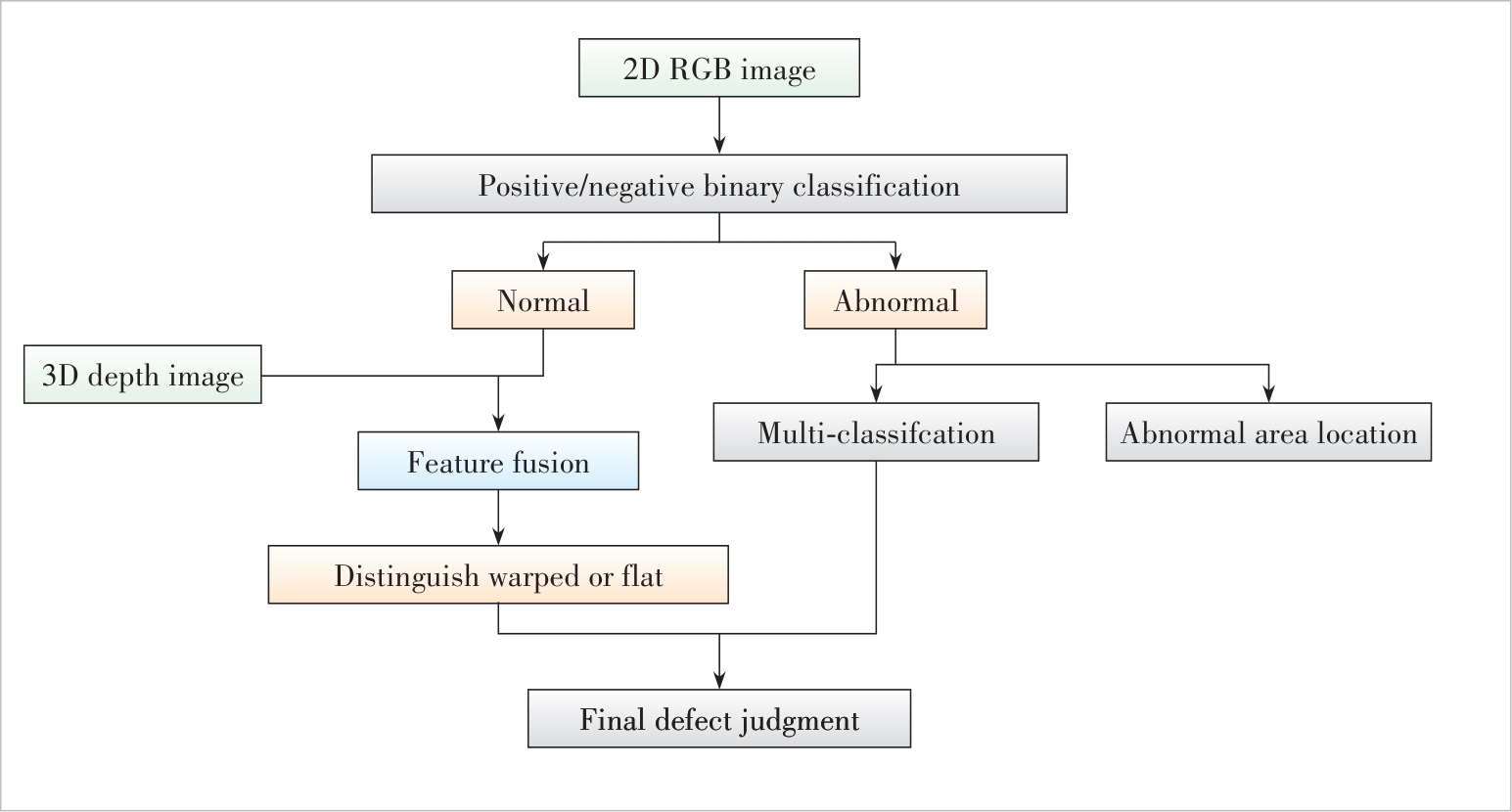
Figure 1 Pipeline of our proposed method
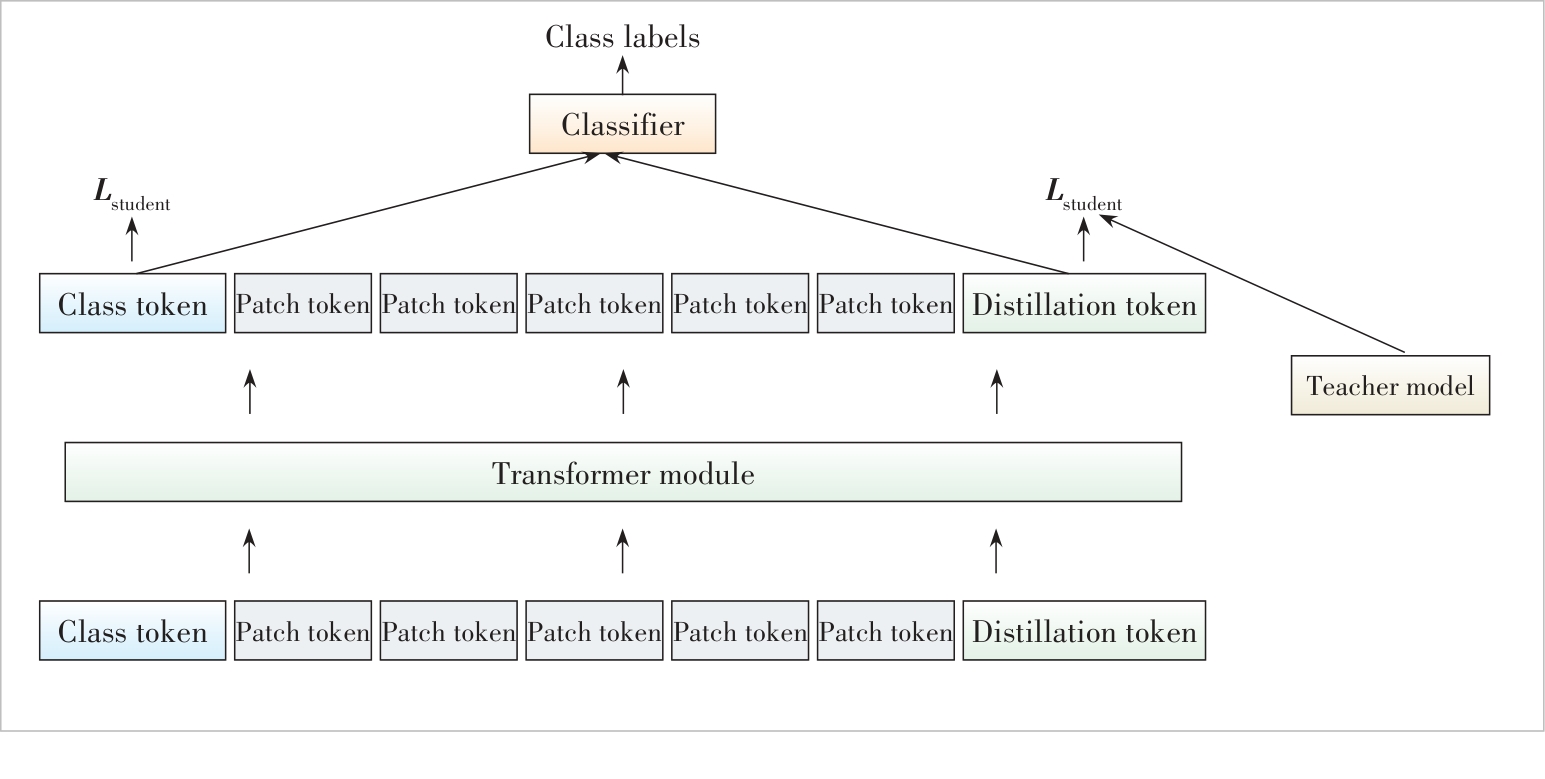
Figure 2 Distillation token in transformer model
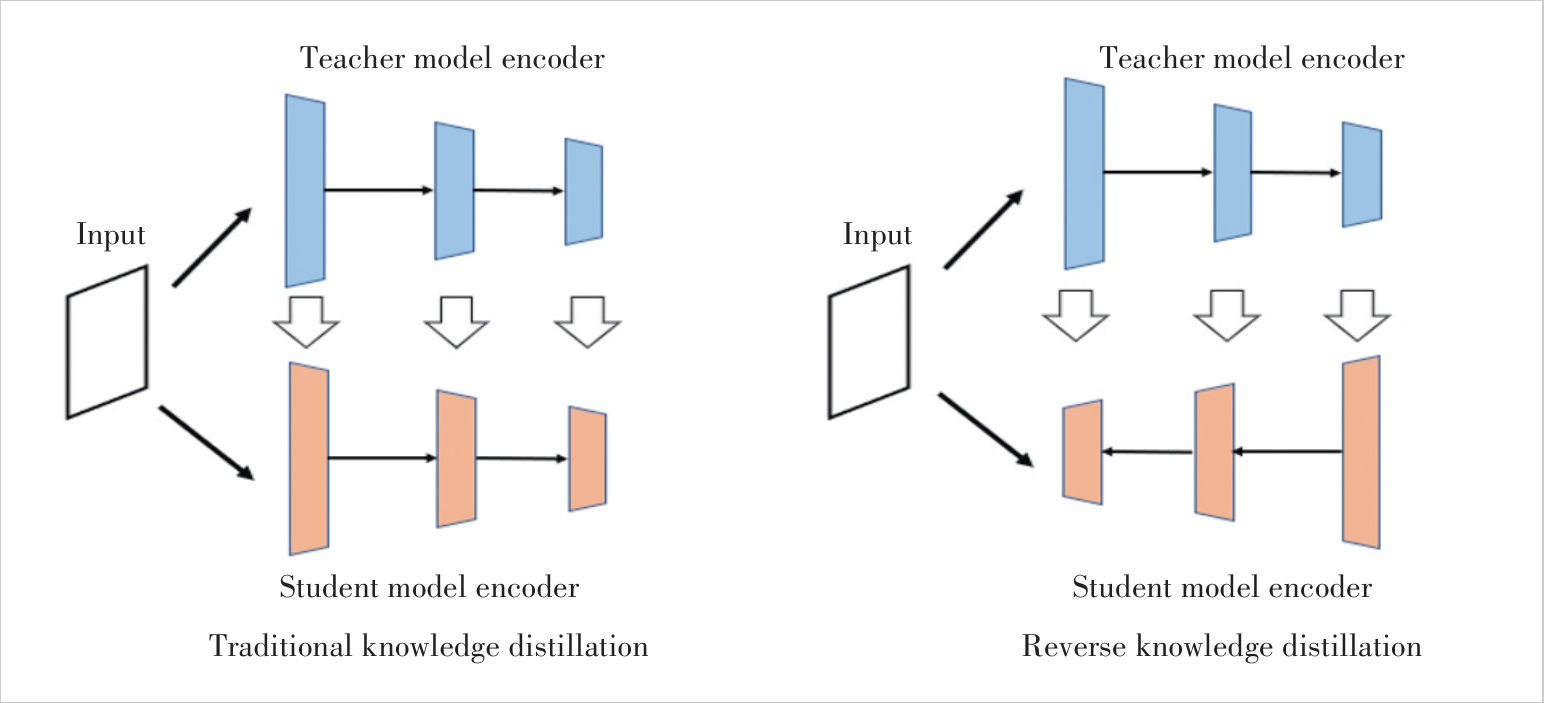
Figure 3 Difference between traditional knowledge distillation and reverse knowledge distillation
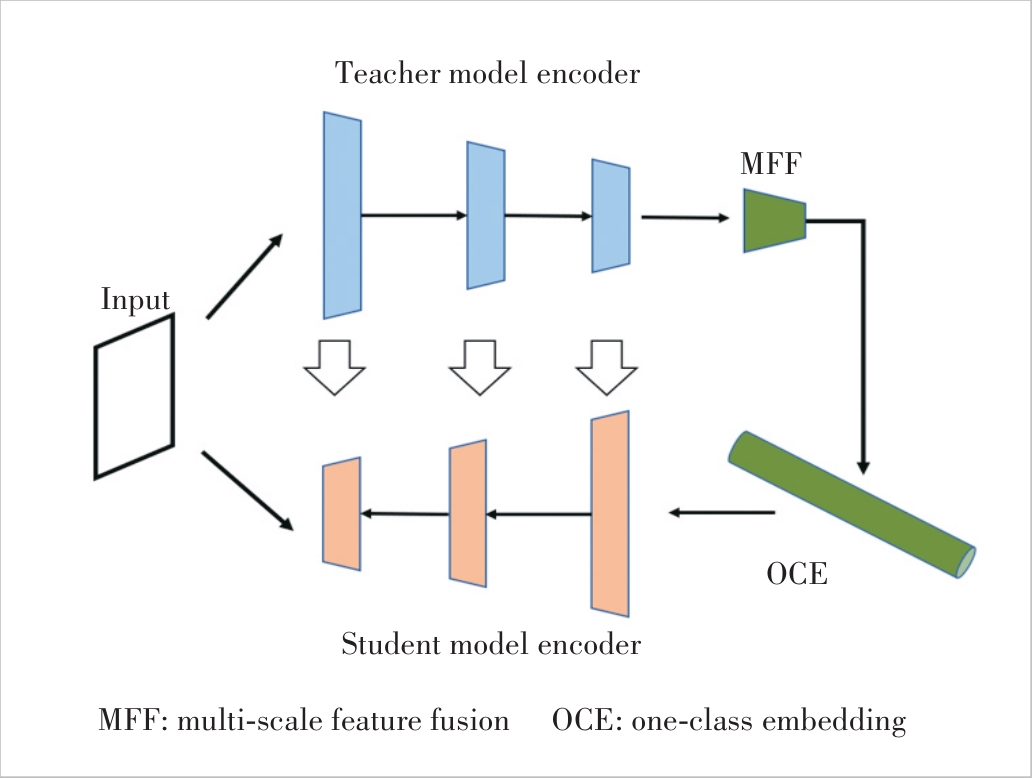
Figure 4 Reverse knowledge distillation network architecture
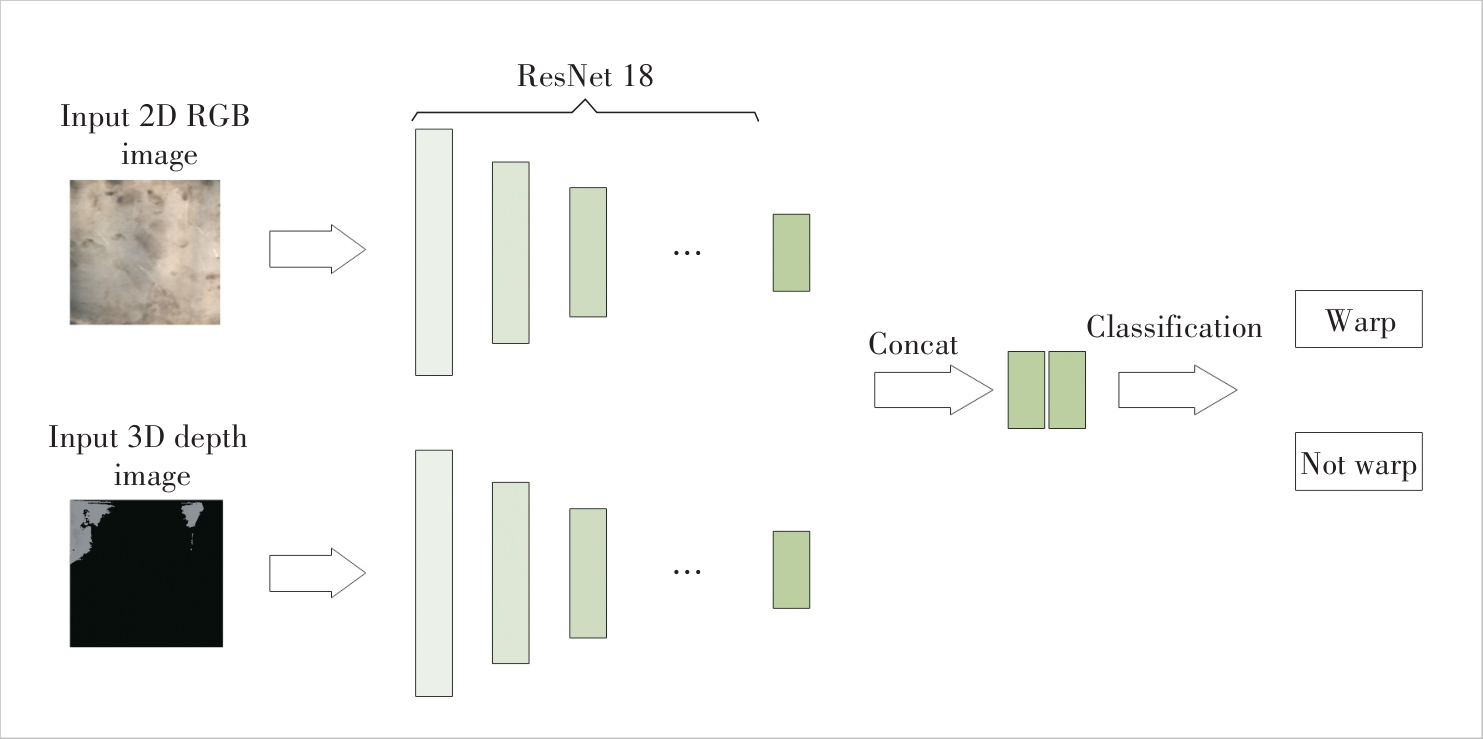
Figure 5 Aggregation-based feature fusion
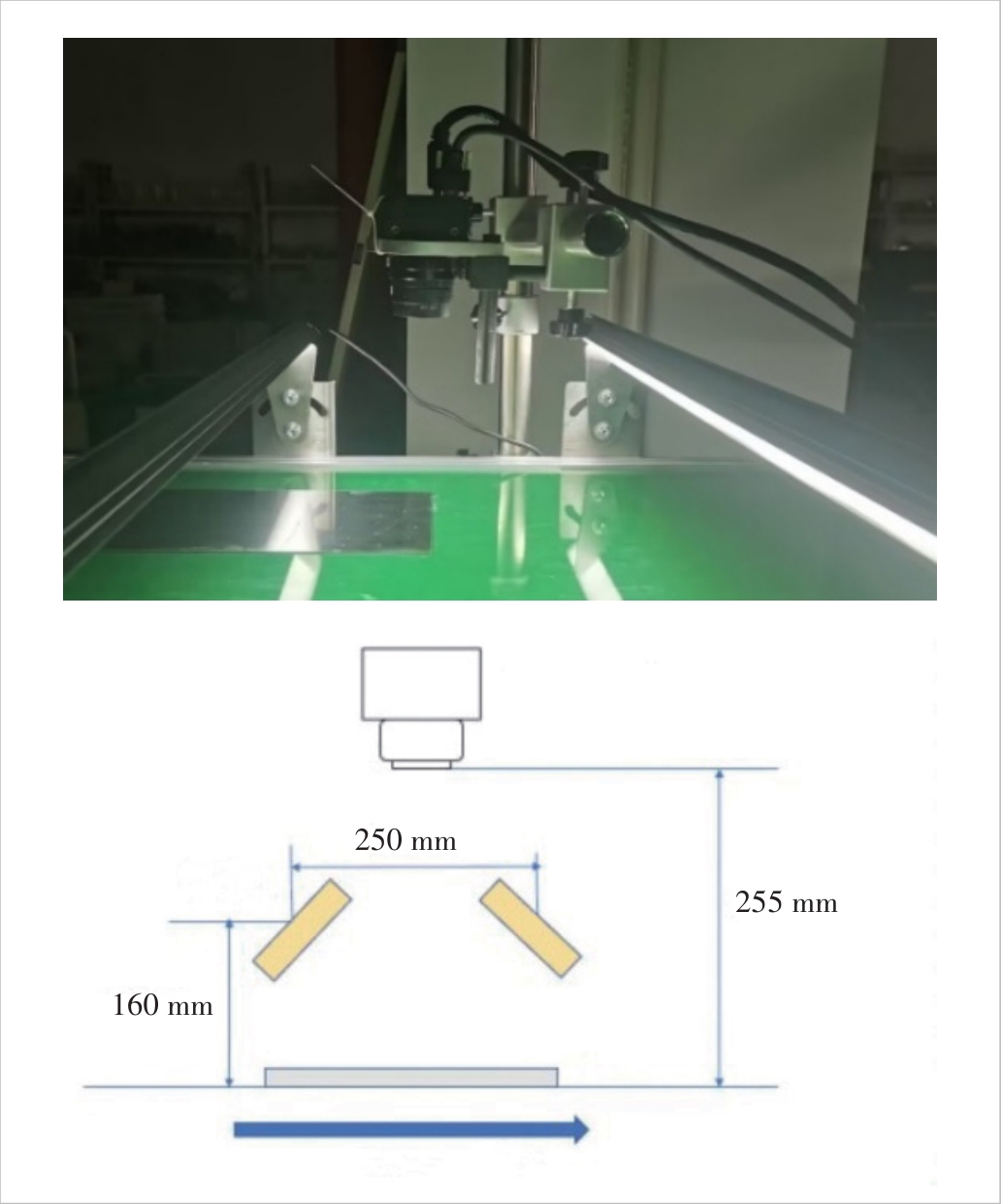
Figure 6 Line array cameras capture real scenes and schematic scenes
| Defect Category | Aluminum | Iron | Stainless Steel |
|---|---|---|---|
| Abrasions | 8/100% | 8/100% | 30/96.7% |
| Scratches | 212/97.17% | 101/99.1% | 18/100% |
| Holes | 28/100% | 12/100% | 8/100% |
| Stripes | 8/100% | 8/100% | 8/100% |
| Flowers | 26/100% | 8/100% | 8/100% |
Table 1 Number of testset and precision of aluminum, iron, and stainless steel samples
| Defect Category | Aluminum | Iron | Stainless Steel |
|---|---|---|---|
| Abrasions | 8/100% | 8/100% | 30/96.7% |
| Scratches | 212/97.17% | 101/99.1% | 18/100% |
| Holes | 28/100% | 12/100% | 8/100% |
| Stripes | 8/100% | 8/100% | 8/100% |
| Flowers | 26/100% | 8/100% | 8/100% |
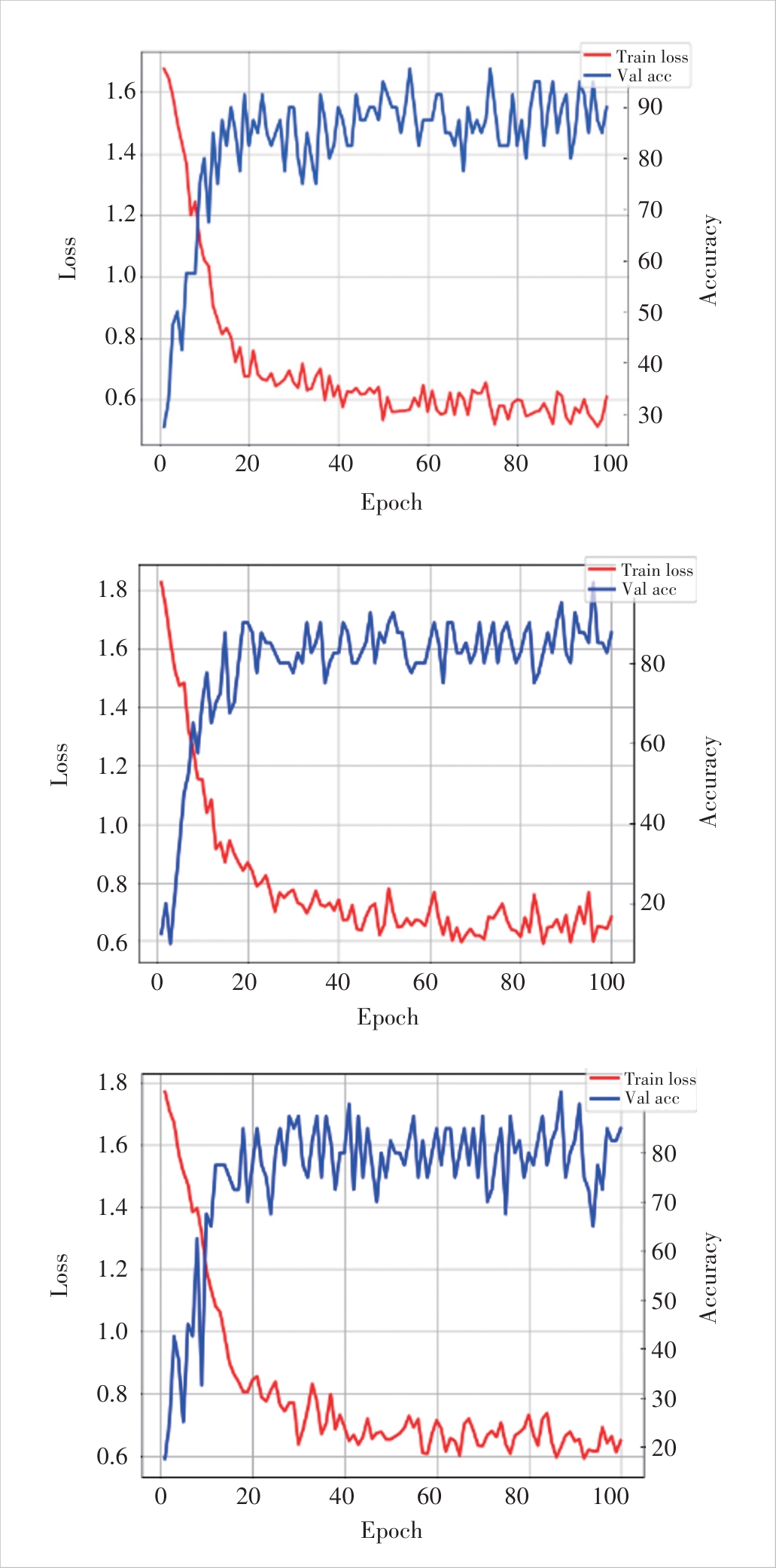
Figure 7 Training loss and validation accuracy of aluminium, iron, and stainless steel samples, where the red curve means training loss and the blue means validation accuracy

Table 2. Pixel-level AUROC and image-level AUROC of aluminum, iron, and stainless steel samples
| Steel Category | Defect Category | Pixel-level AUROC | Image-level AUROC |
|---|---|---|---|
| Aluminum | Abrasions | 97.3% | 96.7% |
| Holes | 99.8% | 100% | |
| Scratches | 97.5% | 100% | |
| Iron | Abrasions | 98.1% | 100% |
| Holes | 97.8% | 100% | |
| Scratches | 96.3% | 100% | |
| Stainless steel | Abrasions | 96.4% | 100% |
| Holes | 99.2% | 95.4% | |
| Scratches | 85.8% | 98.1% |
Figure 8 Classification results of aluminum, iron and stainless steel on five types of defects
| Steel Category | Defect Category | Pixel-level AUROC | Image-level AUROC |
|---|---|---|---|
| Aluminum | Abrasions | 97.3% | 96.7% |
| Holes | 99.8% | 100% | |
| Scratches | 97.5% | 100% | |
| Iron | Abrasions | 98.1% | 100% |
| Holes | 97.8% | 100% | |
| Scratches | 96.3% | 100% | |
| Stainless steel | Abrasions | 96.4% | 100% |
| Holes | 99.2% | 95.4% | |
| Scratches | 85.8% | 98.1% |
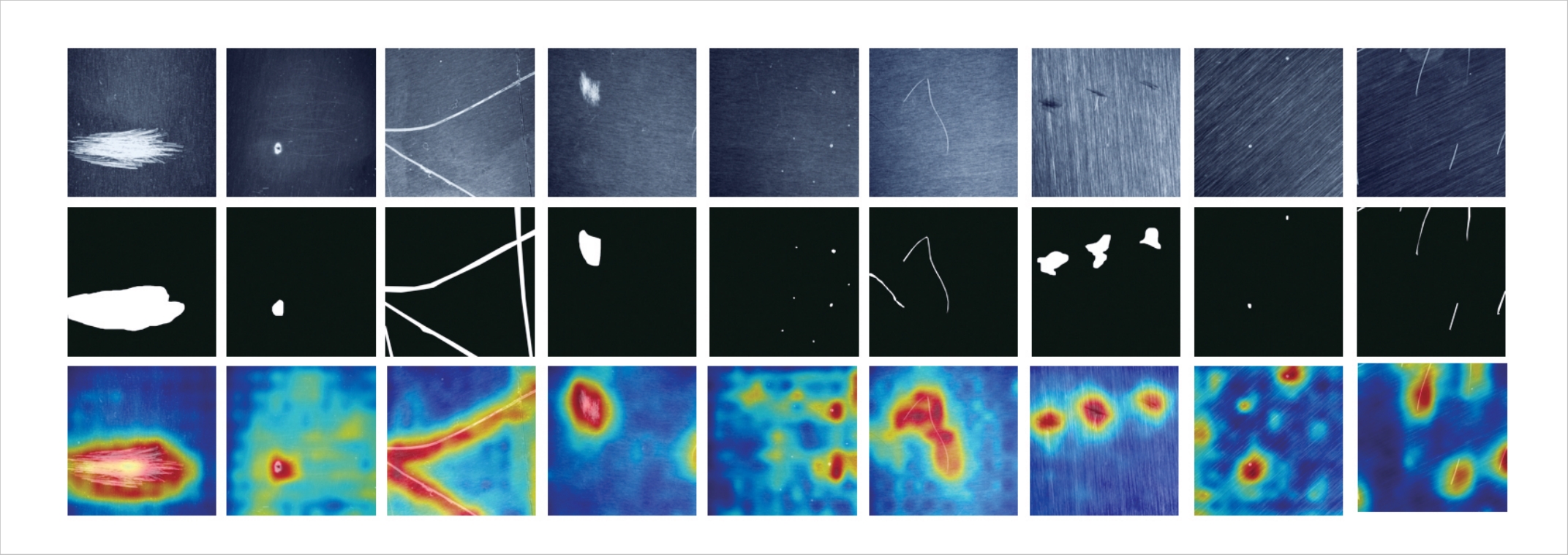
Figure 9 Defect location results by heatmaps
| [1] | Defard T, Setkov A, Loesch A, et al. PaDiM: a patch distribution modeling framework for anomaly detection and localization [C]//ICPR International Workshops and Challenges. ICPR, 2020: 475–489. DOI: 10.1007/978-3-030-68799-1_35 |
| [2] | Tao X, Gong X, Zhang X, et al. Deep learning for unsupervised anomaly localization in industrial images: a survey [J]. IEEE Transactions on instrumentation and measurement, 2022, 71(1): 1–21. DOI: 10.1109/TIM.2022.3196436 |
| [3] | He Y, Song K, Meng Q, et al. An end-to-end steel surface defect detection approach via fusing multiple hierarchical features [J]. IEEE transactions on instrumentation and measurement, 2020, 69(4): 1493–1504. DOI: 10.1109/TIM.2019.2915404 |
| [4] | Zhao J, Liu K, Wang W, et al. Adaptive fuzzy clustering based anomaly data detection in energy system of steel industry [J]. Information sciences, 2014, 259: 335–345. DOI: 10.1016/j.ins.2013.05.018 |
| [5] | Wen X, Zhao W, Yu Z, et al. A novel anomaly detection method for strip steel based on multi-scale knowledge distillation and feature information banks network [J]. Coatings, 2023, 13(7): 1171. DOI: 10.3390/coatings13071171 |
| [6] | Yasuno T, Fujii J, Fukami S. One-class steel detector using patch GAN discriminator for visualising anomalous feature map [PP/OL]. arXiv (2021-06-30) [2025-08-12]. |
| [7] | Dosovitskiy A, Beyer L, Kolesnikov A, et al. An image is worth 16×16 words: transformers for image recognition at scale [PP/OL]. arXiv (2021-07-03) [2025-08-12]. |
| [8] | Touvron H, Cord M, Douze M, et al. Training data-efficient image transformers & distillation through attention [PP/OL]. arXiv [2025-08-12]. |
| [9] | Salehi M, Sadjadi N, Baselizadeh S, et al. Multiresolution knowledge distillation for anomaly detection [C]//Conference on Computer Vision and Pattern Recognition (CVPR). IEEE, 2021: 14897–14907. DOI: 10.1109/cvpr46437.2021.01466 |
| [10] | Deng H Q, Li X Y. Anomaly detection via reverse distillation from one-class embedding [C]//Conference on Computer Vision and Pattern Recognition (CVPR). IEEE, 2022: 9727–9736. DOI: 10.1109/cvpr52688.2022.00951 |
| [11] | Zhu J G, Tang S X, Chen D P, et al. Complementary relation contrastive distillation [C]//Conference on Computer Vision and Pattern Recognition (CVPR). IEEE, 2021: 9256–9265. DOI: 10.1109/cvpr46437.2021.00914 |
| [12] | Wang Y K, Huang W B, Sun F C, et al. Deep multimodal fusion by channel exchanging [PP/OL]. arXiv [2025-08-12]. |
| [13] | He K, Zhang X, Ren S, et al. Deep residual learning for image recognition [C]//Conference on Computer Vision and Pattern Recognition (CVPR). IEEE, 2016: 770–778. DOI: 10.1109/CVPR.2016.90 |
| [14] | Zagoruyko S, Komodakis N. Wide residual networks [PP/OL]. arXiv [2025-08-12]. |
| [15] | Roth K, Pemula L, Zepeda J, et al. Towards total recall in industrial anomaly detection [C]//Conference on Computer Vision and Pattern Recognition (CVPR). IEEE, 2022: 14298–14308. DOI: 10.1109/CVPR52688.2022.01392 |
| [16] | Kingma D P, Ba J. Adam: a method for stochastic optimization [PP/OL]. arXiv (2014-12-22) [2025-08-12]. |
| [1] | ZHANG Qixun, HAN Jing, CHENG Li, ZHANG Baisheng, GONG Zican. Approach to Anomaly Detection in Microservice System with Multi- Source Data Streams [J]. ZTE Communications, 2022, 20(3): 85-92. |
| [2] | HAN Jing, JIA Tong, WU Yifan, HOU Chuanjia, LI Ying. Feedback‑Aware Anomaly Detection Through Logs for Large‑Scale Software Systems [J]. ZTE Communications, 2021, 19(3): 88-94. |
| [3] | LIU Jianwei, YUAN Yifei, HAN Jing. A Case Study on Intelligent Operation System for Wireless Networks [J]. ZTE Communications, 2019, 17(4): 19-26. |
| Viewed | ||||||
|
Full text |
|
|||||
|
Abstract |
|
|||||